


Why Sweden Is Turning Back to Cash
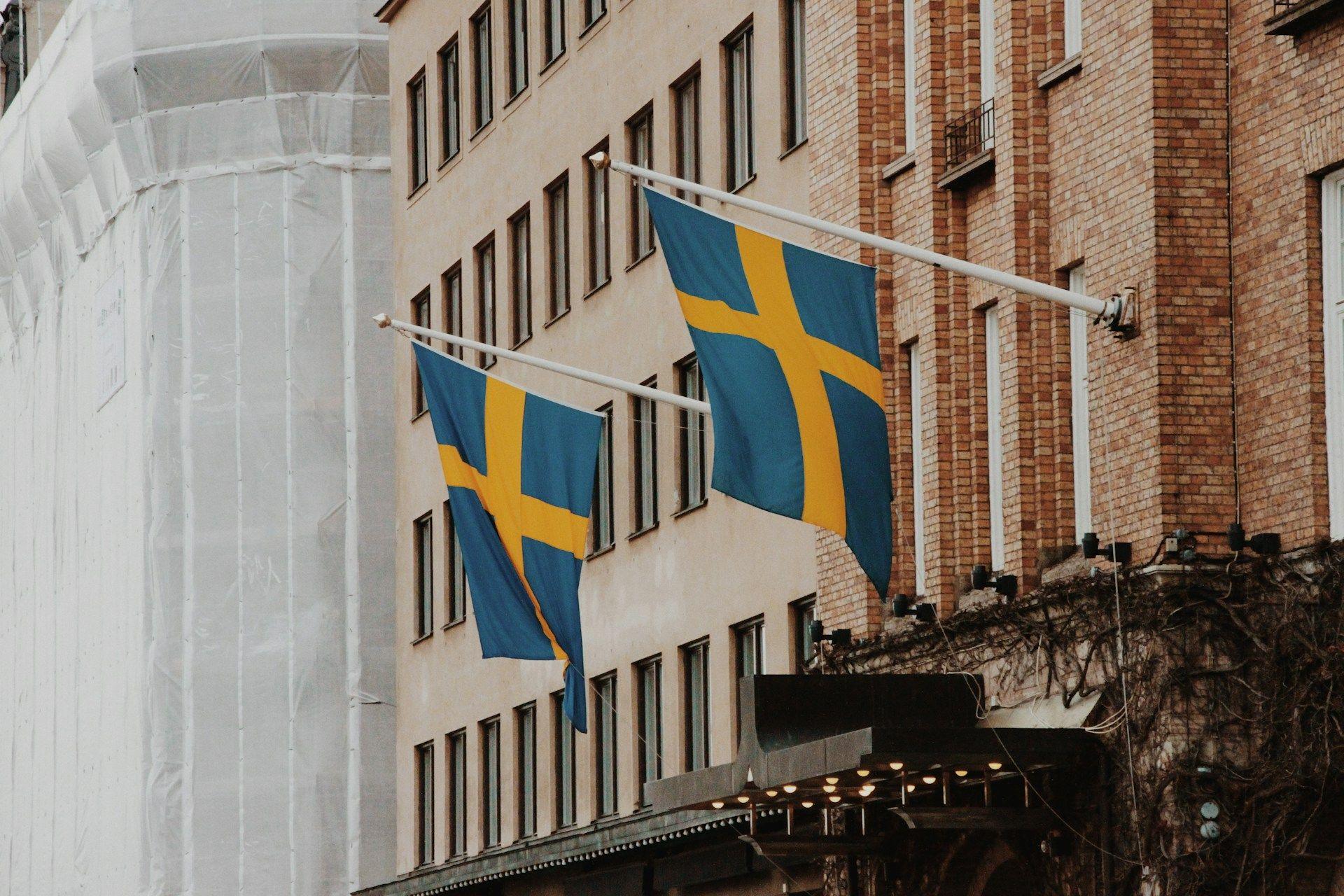
For a long time, Sweden was considered a pioneer of the cashless society. In many stores, paying with cash was hardly possible anymore; instead, card payments and mobile payment services dominated everyday life. Yet the very country that was often cited as a model for the complete digitalization of payment transactions is now placing greater emphasis on cash again. Since July 1, 2026, a new law has required grocery stores and pharmacies to accept cash.
This decision is by no means coincidental. Rather, it reflects a shift in thinking that concerns not only Sweden but many European countries: How resilient is a purely digital payment system in times of crisis?
Why cash is suddenly becoming more important again
The reasoning of the Swedish government and the Riksbank, Sweden’s central bank, is clear: Cash is an important component of societal resilience. If the power supply fails or disruptions occur in internet or payment networks, coins and banknotes often remain the only functioning payment option.
Against the backdrop of increasing cyberattacks, geopolitical tensions and technical dependencies, this aspect is gaining importance. Swedish authorities now even recommend that citizens keep around 1,000 Swedish kronor, approximately 90 euros, in cash available in order to remain able to act in the event of a crisis. Cash is increasingly regarded as an important component of national crisis preparedness.
Digitalization and cash are not contradictory
However, the new legislation does not mean that Sweden is reversing digitalization. On the contrary: Digital payment methods remain the preferred payment option for many consumers. Rather, the new law is intended to ensure that citizens retain freedom of choice and that no one is excluded from economic life.
Older people or individuals with lower digital affinity in particular benefit from this development. At the same time, the obligation to accept cash provides an additional safeguard for situations in which technical systems are unavailable.
The developments in Sweden therefore clearly show that the future of payments does not necessarily consist of an either-or scenario, but rather of an intelligent coexistence of different payment methods.
What does this mean for Germany and Europe?
In Germany, too, the use of digital payment methods continues to increase. At the same time, cash remains an important part of payment transactions. Many consumers value its independence, immediate availability and the ability to control their spending. The Deutsche Bundesbank also regularly emphasizes the importance of cash as a generally accepted means of payment and as an important building block for resilient payment transactions.
This topic is also becoming increasingly important at the European level. The European Commission is currently working on a legal framework intended to secure the acceptance of euro cash as legal tender in the long term. At the same time, the European Central Bank is advancing preparations for a digital euro. However, this is explicitly not intended to replace cash, but rather to complement it meaningfully as a public digital form of payment. The direction is therefore clear: The future of payments does not lie in an either-or scenario, but in a secure interaction between different payment methods.
For retail companies, banks and cash-in-transit providers, this leads to a clear consequence: Cash remains a central component of the payment infrastructure. At the same time, the requirements for transparency, traceability and efficiency in cash processes are increasing. Digital solutions help manage cash processes securely and economically, from the branch to cash transport and the bank. They create transparency over inventories, movements and process costs, facilitate cooperation between all parties involved and support companies in reliably meeting regulatory requirements as well as audit and compliance obligations.
Conclusion: The future of payments remains hybrid
The developments in Sweden show that digitalization and cash are not opposites. Modern payment systems combine digital innovation with the security and resilience of a legal means of payment that is available at all times.
This path is also emerging in Germany and Europe: Digital payment methods continue to gain importance, while cash remains an indispensable component of an efficient and crisis-proof payment infrastructure. For companies, this means efficiently connecting both worlds and aligning their processes accordingly.
Cash is therefore not experiencing a nostalgic revival. Rather, its role as a reliable, legal and crisis-proof means of payment is being reassessed as an integral part of a modern, hybrid payment system.
Do you want to make your cash processes fit for the future? Whether you are a branch-based company, bank or cash-in-transit provider, we support you in making your cash processes transparent, efficient and future-proof. From the branch to cash transport and the bank, our solutions ensure end-to-end transparency, secure processes and efficient management of the cash cycle.